Innovation Knows No Boundaries
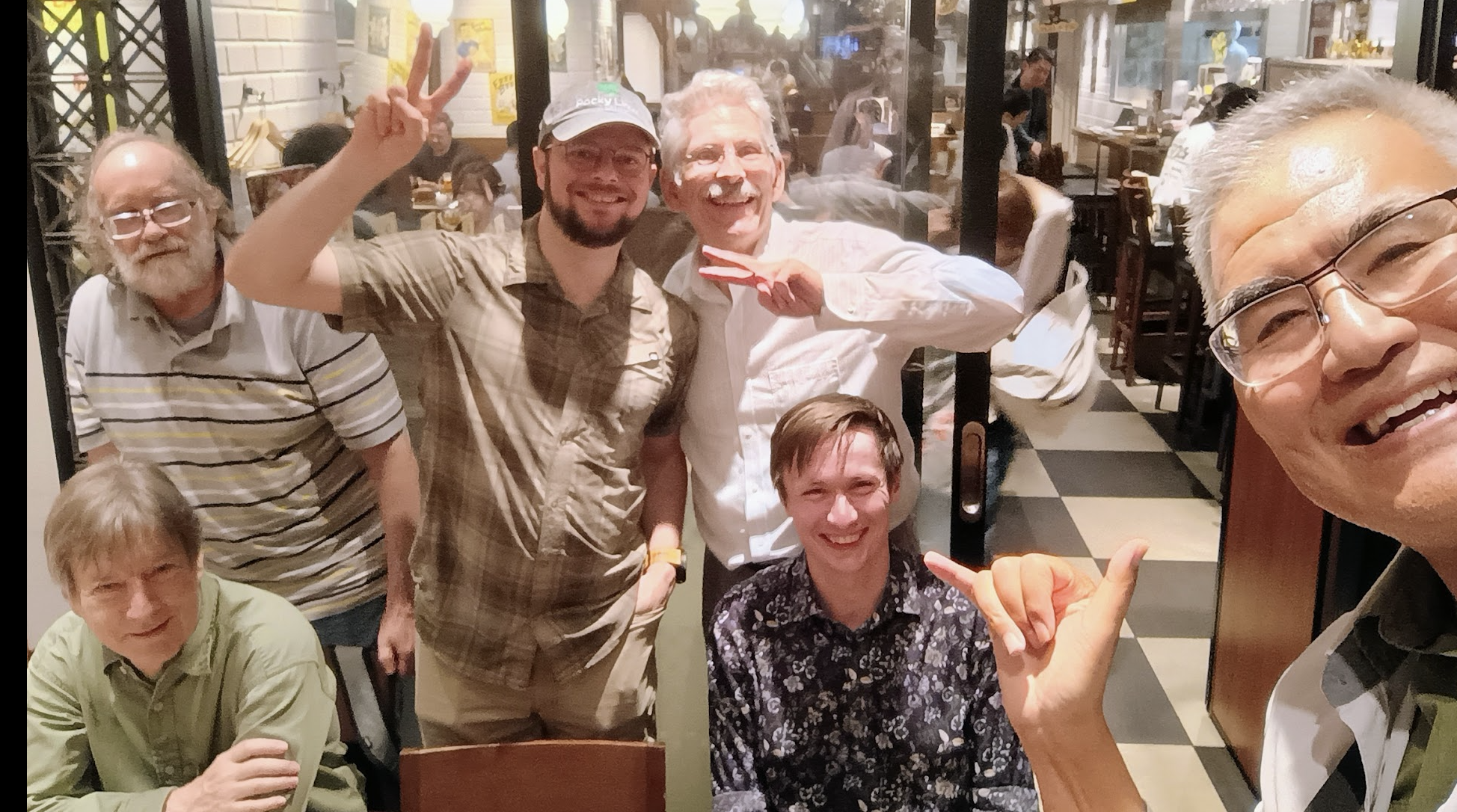
Innovation was thick in the air. You breathed in and there it was. A new idea. A new company. A new project to solve a problem that would change the world.
I had been here 30 years ago. The vibe was the same. A disdain for the old inefficient ways, a certain cockiness, a hint of arrogance that normal people could build something cool. Three decades ago, a young group of TLUGers defied convention and started companies and projects. They changed the world. In 2026, people are still working on amazing things and fixing the problems of the world.
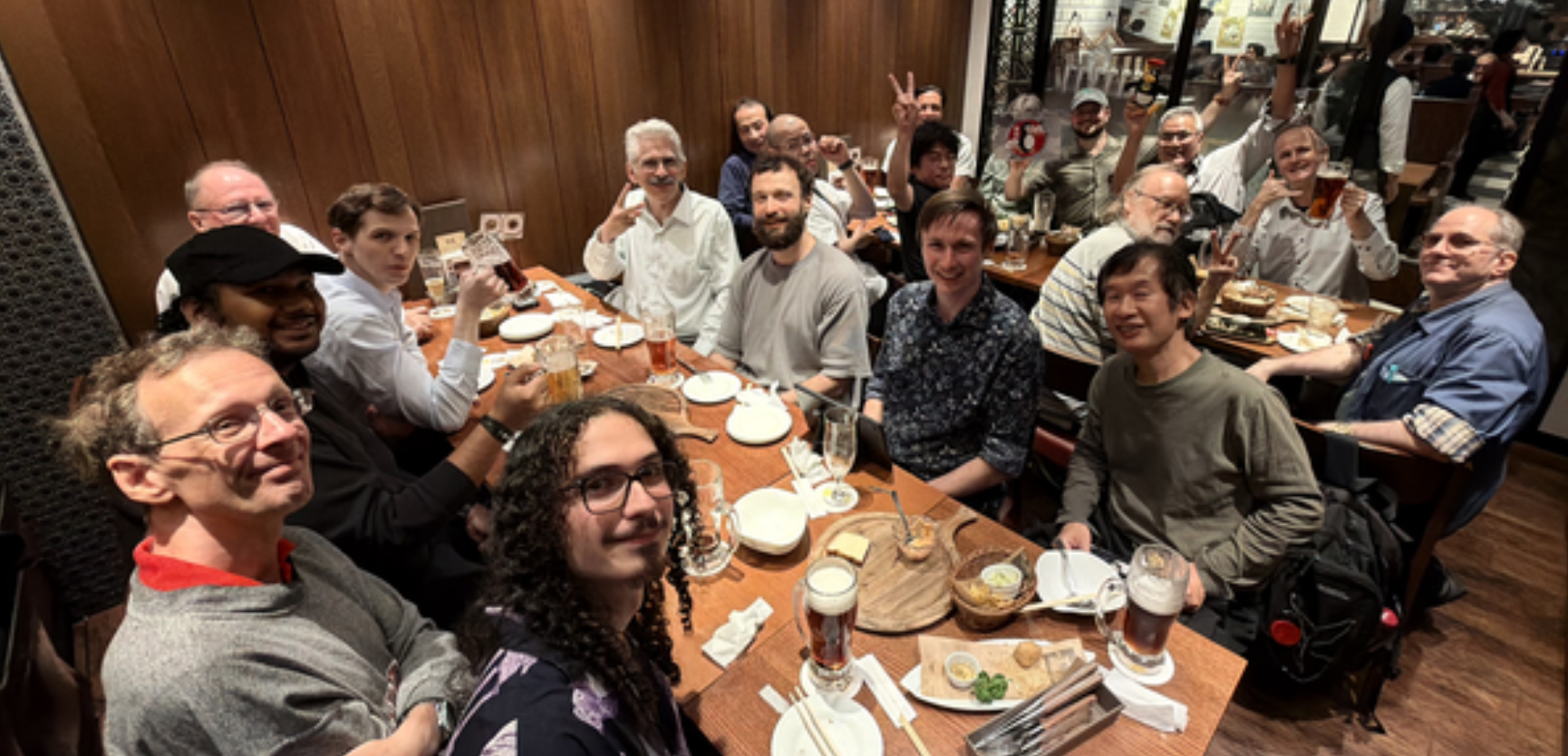
At every sip,or gulp, of beer, it felt like a revolution was about to take off.
Small discussions turned into big ideas.
- Emacs versus vi in 2026. Why people still use vim on the local desktop
- How to create and maintain one of the world most widely used Linux distributions in the world. Contribute to societal good, have fun, and get paid to help the world.
- Linguistic theory impact on AI
- Graph theory in the pharmaceutical industry
- Bayesian inference versus language models
- Making AI safer to make the world safer
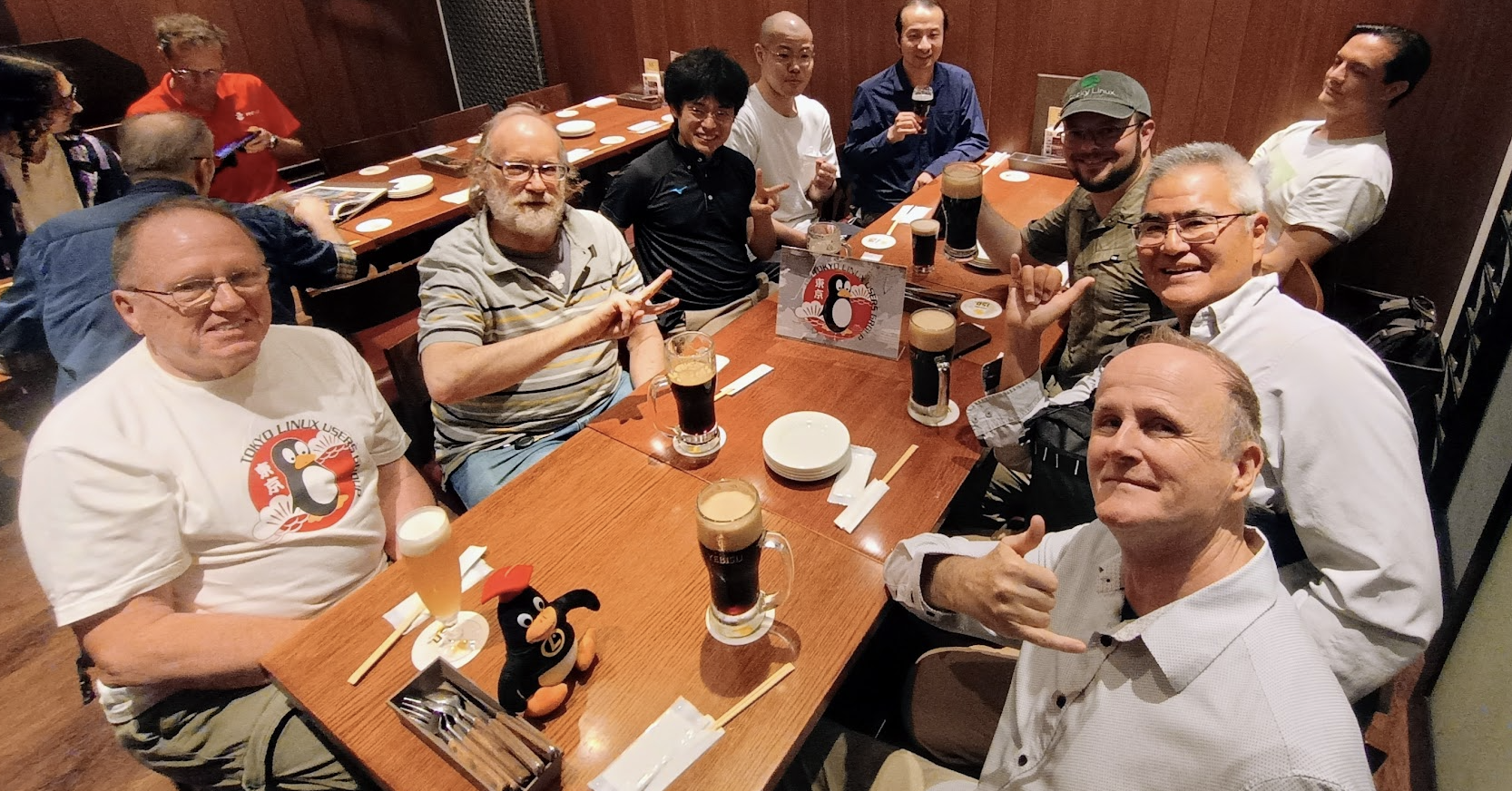
After the 2nd 大ジョッキ (large beer mug), the nostalgic tales of the past came up. We discussed:
- how to start an open source company in Japan, solve a Japan-specific problem, take the solution global and raise $96M in venture funding
- organize information on Japan-specific Linux problems into a book for O’Reilly and have fun learning and teaching
- going from dial-up modems as a child to building a binary Linux distribution that would impact the world
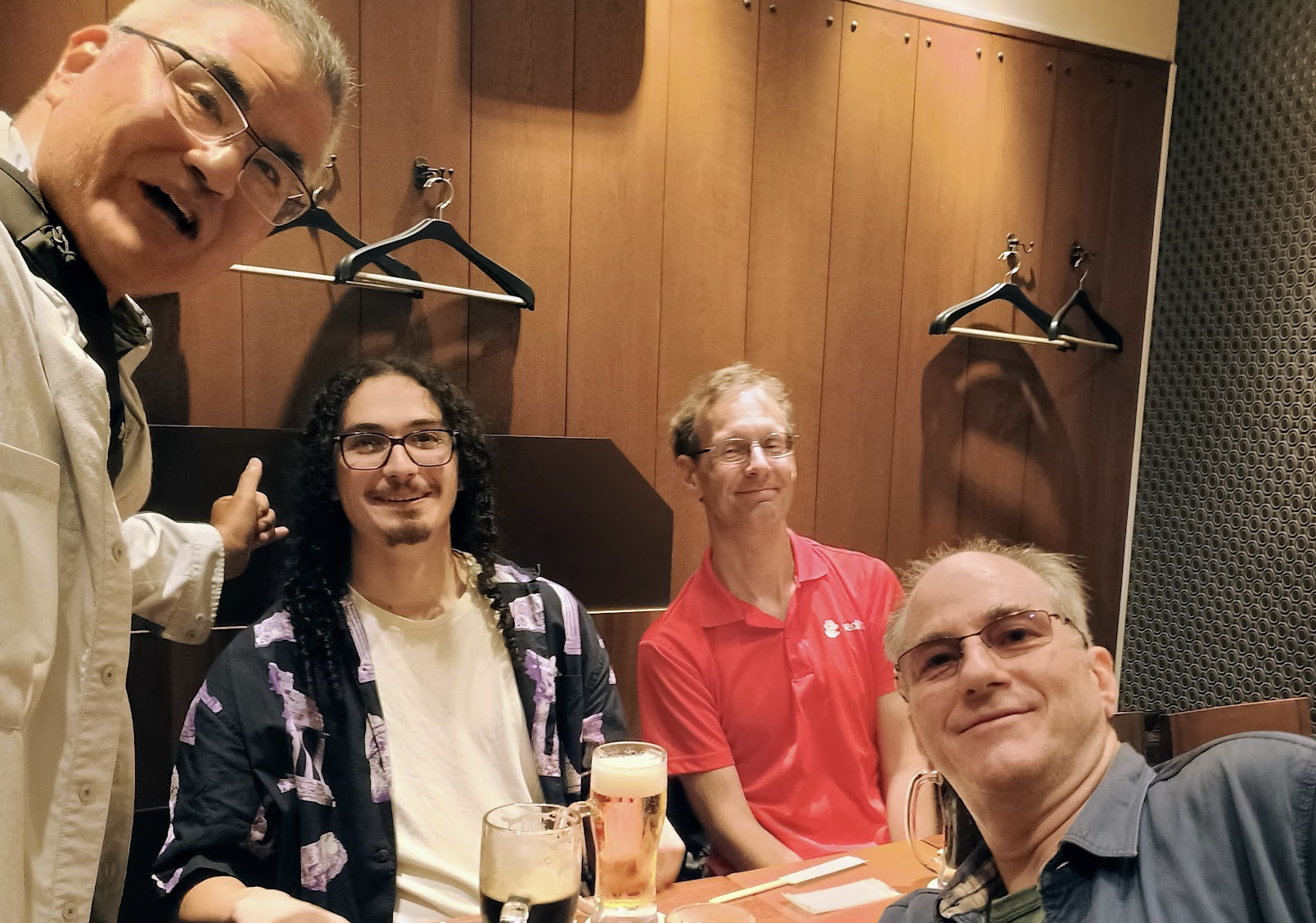
I also met exchange students who are on their first steps of a marvelous adventure with Linux in Japan.
Three of us at the table, had started our journey as exchange students at Sophia University.
By the end of the night, everything felt good in the world. Yes, the beer, pizza, and sausages contributed to the warm feeling about the future. But much more than that, I was reminded that the connection between people is the engine to make an impact on the world. Linux and open source started with one person feeling annoyed at a problem they personally encountered and they solved the problem for themselves.
Some people took the next step and published their software as open source, not for fame or money. People just felt that the solution could be useful to other people. The desire to help people is what keeps us together. Despite the problems with potential negative comments and support time-sinks, people around the world still have the courage and will to release their software to the world
The next TLUG meeting is on July 11, 2026. Sign up on Connpass.
More pictures
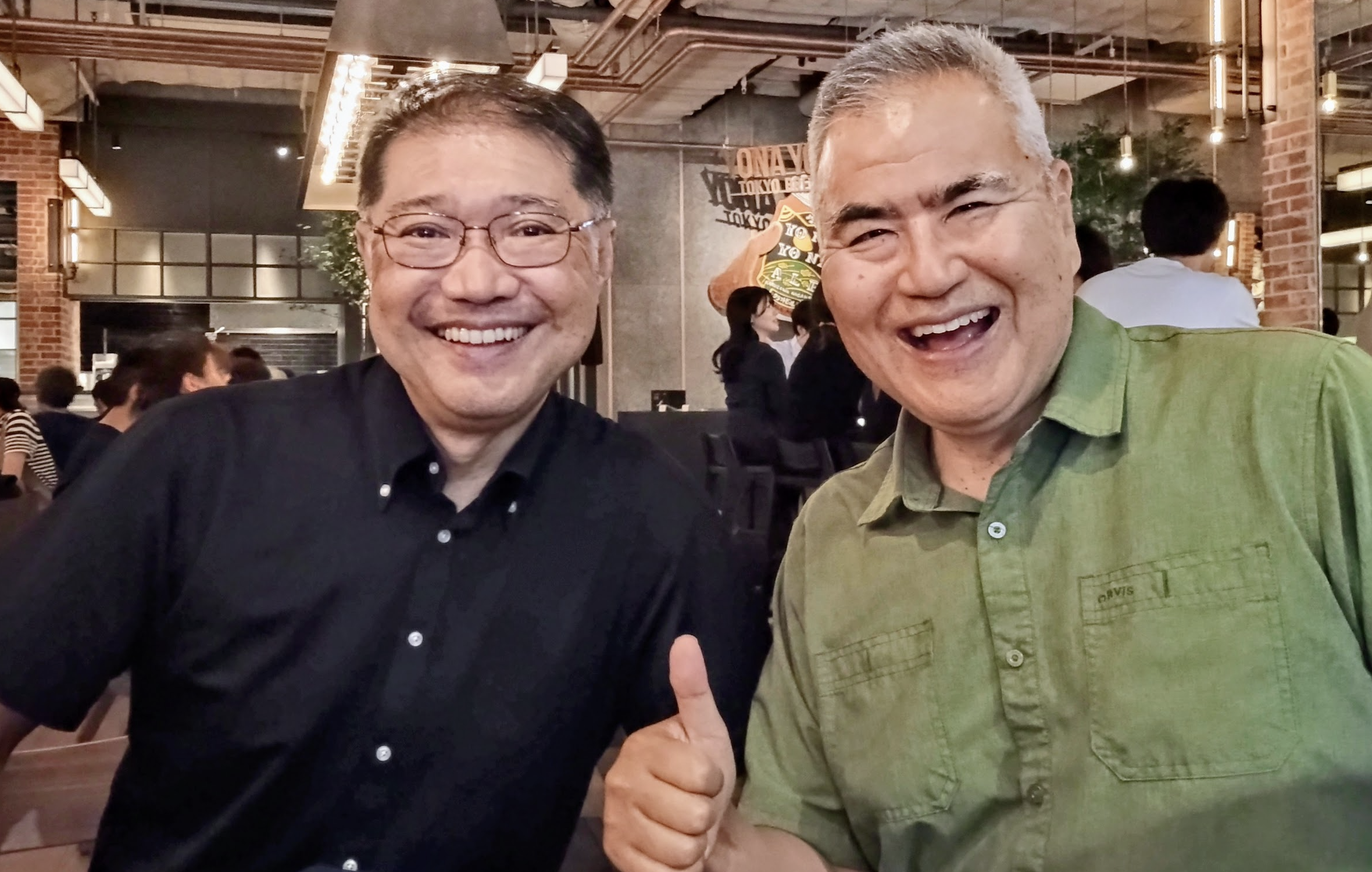
The US media portrays change as a conflict where one side wins and one side loses. At a friendly beer hall in Japan, I was reminded that real change comes from helping strangers, people different from you. Innovation and change comes from small exchanges of different ideas, one person in our vast world at a time.